Minnesota Agriculture and Food Economy Tour 2025
September 29 - 30, 2025
Twenty-five (25) state lawmakers and state agency leaders. Two days. Nine stops. More than 260 miles.
Planning has already begun for the next Minnesota Agriculture and Food Economy Tour, scheduled for fall 2027
Recognizing the Twin Cities Metro’s Impact on Food and Agriculture
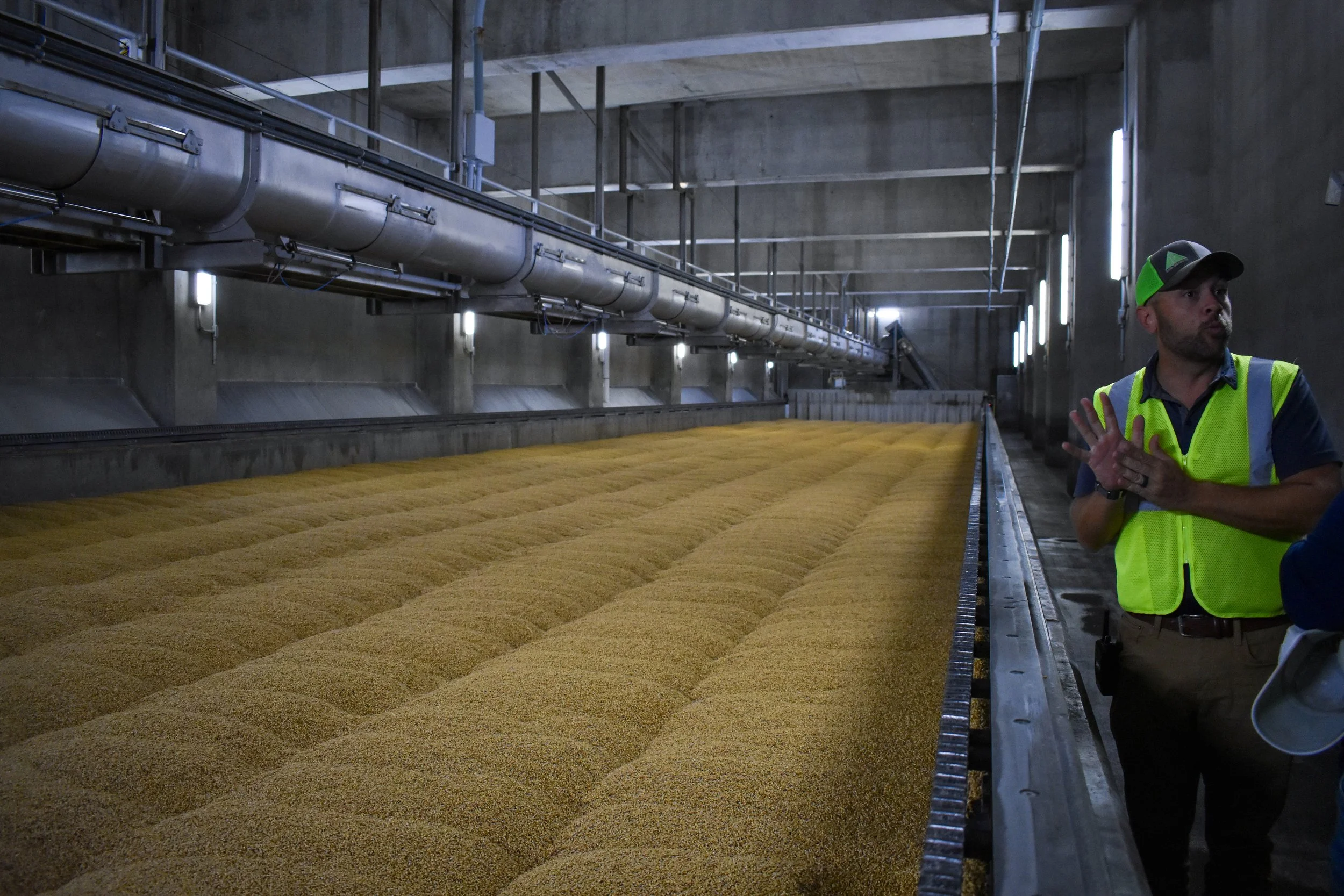
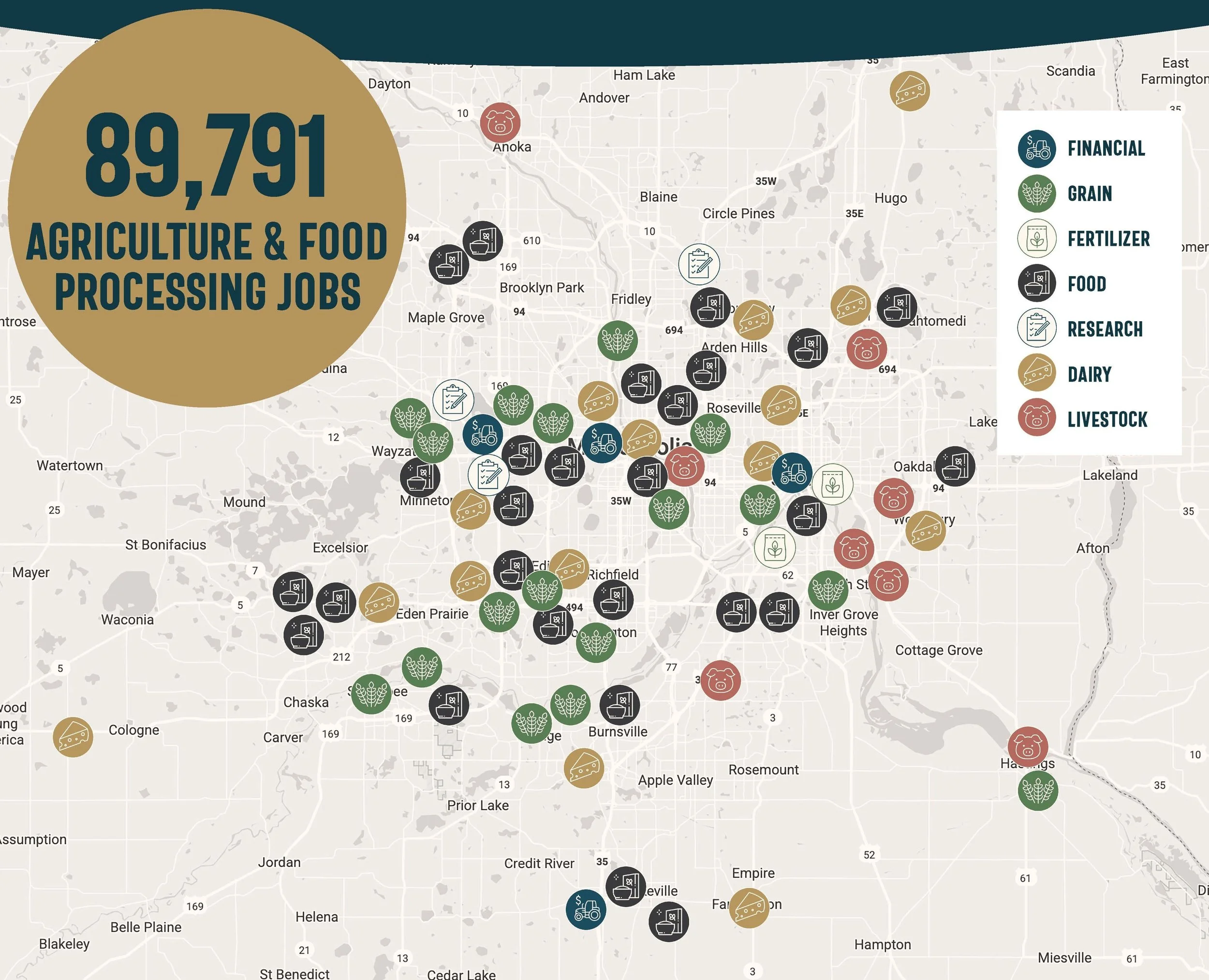
There are nearly 90,000 food and agriculture jobs in the seven-county metro area, including food and grain processing, research, and logistics. Leaders from Bay State Milling, Sanimax, CHS, and Pivot Bio shared their commitment to supporting and growing Minnesota’s economy.
Growing Minnesota Potatoes with Sustainable, Science-Driven Solutions and Smart Water Use
Minnesota raises more than 45,000 acres of potatoes each year, with 50,000 pounds of potatoes harvested per acre. R.D. Offutt Farms, Michael Foods, and McDonald’s Corp. shared how Minnesota potatoes move from the field to processing to plates in the most sustainable way.

Repositioning Minnesota as a Dairy Processing Leader
Global and domestic demand for milk and cheese has increased significantly over the past 20 years. Minnesota is the home of Top the Tater and the second-largest cottage cheese plant in North America. Thanks to Kemps, Land O’Lakes, and Riverview for reminding lawmakers of the importance of dairy processing to Minnesota.

Growing and Protecting Minnesota Food with Research and Innovation
Minnesota is home to the largest seed care research facility in North America. Syngenta’s Seedcare Institute conducts groundbreaking research on seed treatments for hundreds of crops, including tomatoes, winter camelina, and wheat.

Unleashing Precision Agriculture to Improve Crops and Reduce Pollution
Minnesota farmers are excellent stewards of the land and do everything possible to protect water quality while ensuring our food supply is healthy. AgPartners highlighted how agronomy and precision agriculture are essential for agriculture, and how technology like drones can help implement cover crops in the future.

Celebrating Rochester’s Long-Standing Leadership in Food and Agriculture
Rochester Mayor Kim Norton reminded more than 90 lawmakers, local officials, and ag and food leaders that Rochester has approximately 7,500 ag and food jobs, including Kemps, Seneca Foods, Kerry Ingredients, and Pace Dairy.

Creating Opportunities for the Next Generation of Farmers
Only five percent of farms reach the fourth generation. Tony and Michelle Rossman shared their efforts to pass on their farm to their children. One challenge is urban encroachment, which has increased land values to $40,000 per acre in Olmsted County.

Strengthening Minnesota’s Position as a Pork Leader
Minnesota ranks second in the country for pork production. Despite our success, the number of pork processing facilities in Minnesota is decreasing. Additionally, government regulations on manure could pose a threat to family farmers. Thanks to Minnesota Pork Producers, Schwartz Farms, and Herbst Family Farm for highlighting future opportunities for pig farmers and processing.

Unleashing Technology to Make Minnesota Dairy Farms More Sustainable
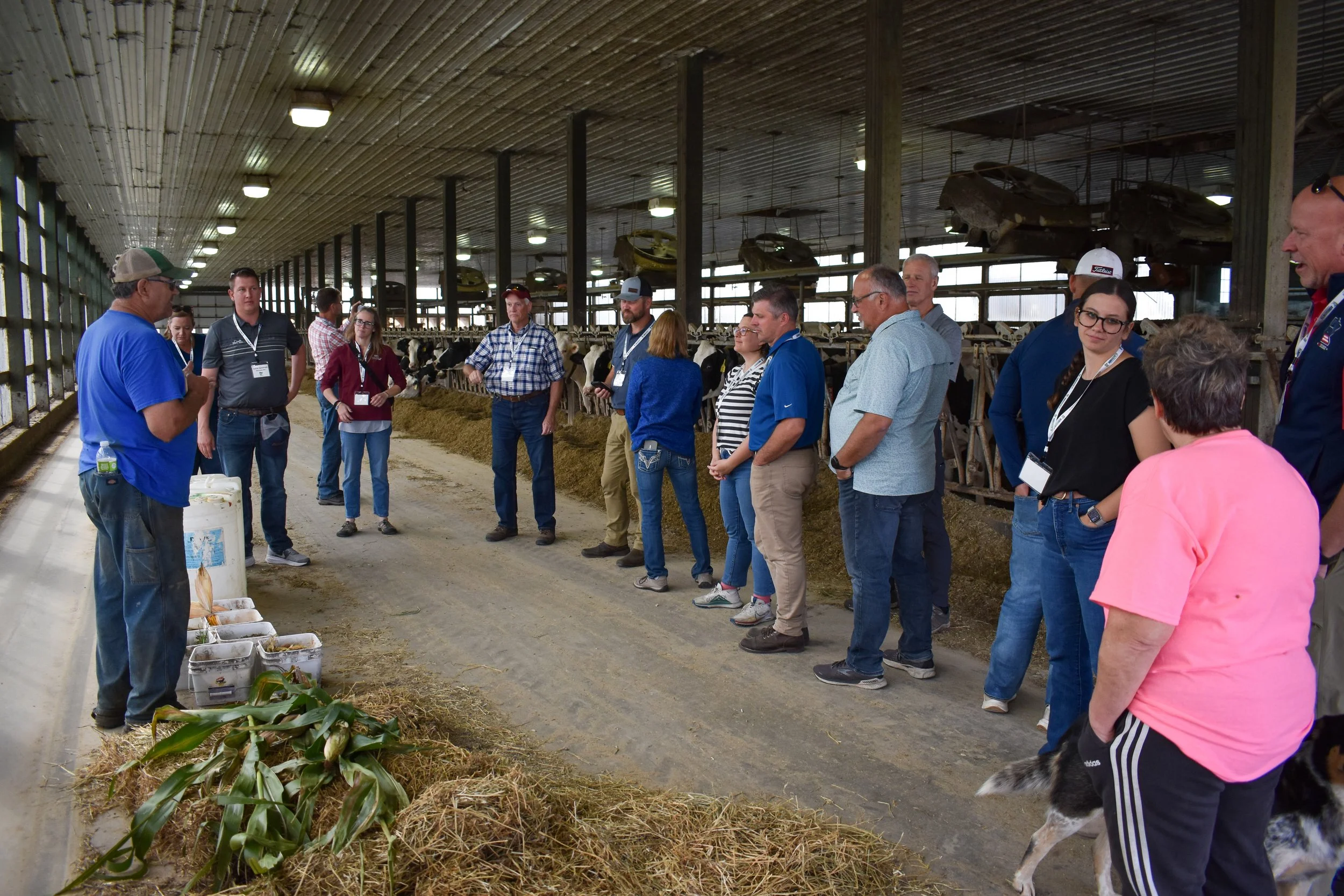
Dairy farms are becoming more high-tech with robots feeding and milking cows, and collars and tags tracking each cow’s health and production. Each robot, which milks approximately 60 cows per day, can cost $200,000. Thanks to Minnesota Milk Producers, Midwest Dairy, and the Balzer Family Farm for showcasing this technology and discussing the potential unintended consequences that may arise from it.
Bringing Sustainable Agriculture, Food, and Beverages to the Global Market
Minnesota is home to the world’s second-largest malting facility. Rahr Corporation, a family-owned business located in downtown Shakopee, supplies malt to more than 1,700 breweries worldwide. Rahr processes 1 billion pounds of barley annually. More than 4,500 rail cars and 2,600 semis move barley, oats and malt in and out of Shakopee every year.